As a classic outdoor equipment, Triangular tent play an important role in camping activities due to their unique structural design and practicality.
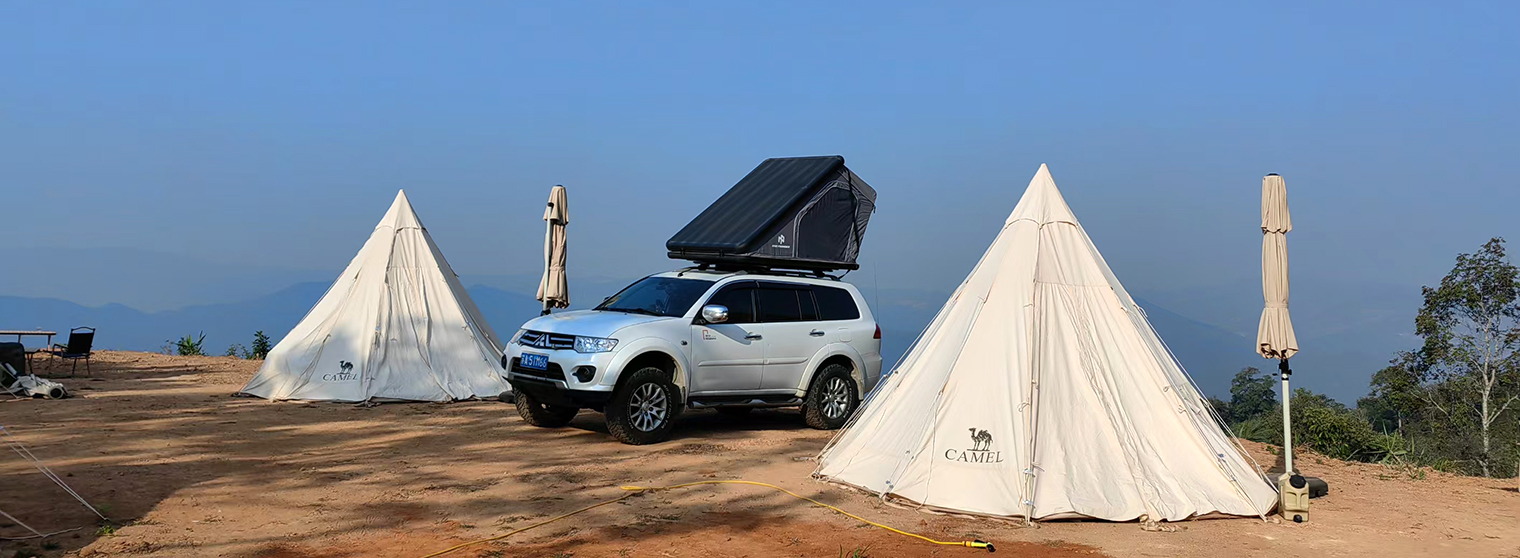
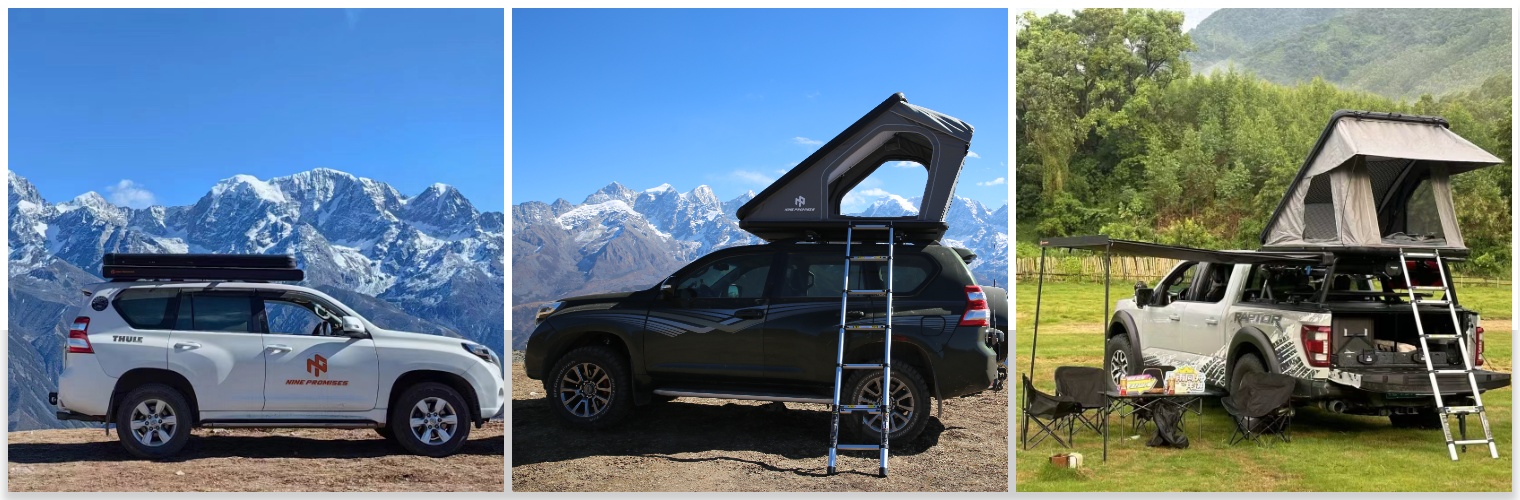
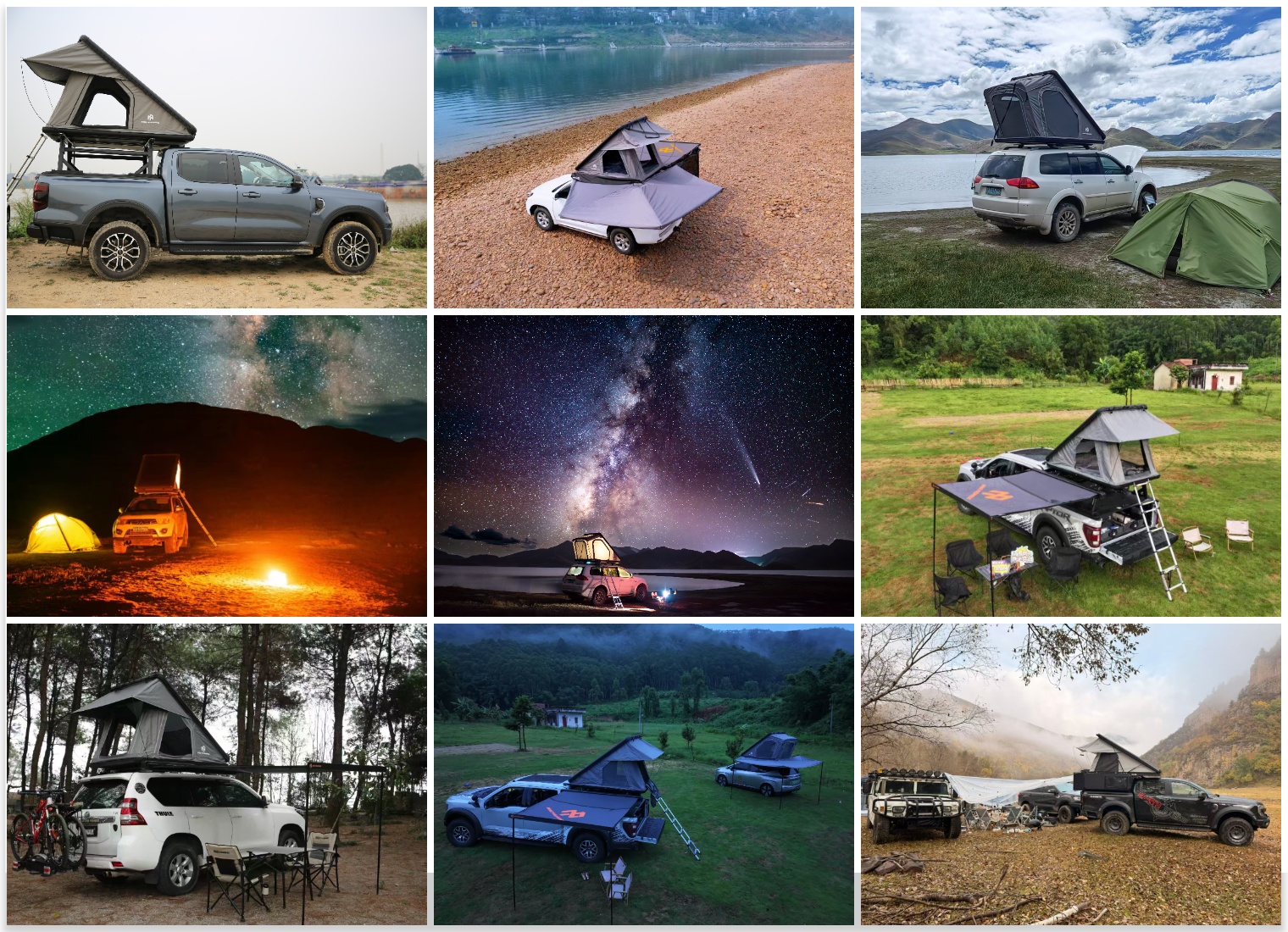
The basic structure of an Outdoor Triangle Tent consists of a pole, fabric, and fixing system. The tent pole is usually made of lightweight and high-strength materials, forming a stable triangular support structure. This geometric shape has inherent stability and can effectively disperse external pressure.
Whymper tent tent fabrics are often made of functional materials that are windproof and waterproof, and the seams are treated with adhesive to ensure sealing. The interior space design emphasizes practicality and is generally divided into a rest area and a storage area.
The advantage of this structure is that it has good wind resistance and can maintain stability under harsh weather conditions. The triangular structure makes the center height inside the tent ideal, and most adults can sit upright inside.
The triangular tent, a classic and timeless design, has been a staple in outdoor adventures for centuries. Its simple yet efficient structure makes it a favorite among campers, hikers, and survivalists. Whether used for recreational camping, military operations, or emergency shelters, the triangular tent offers a perfect balance of stability, ease of setup, and weather resistance. This article explores the history, design features, advantages, and modern applications of the triangular tent.
The origins of the triangular tent can be traced back to ancient civilizations. Nomadic tribes, such as the Native Americans with their teepees and the Mongols with their yurts, utilized triangular and conical structures for their portability and resilience against harsh weather. The military also adopted triangular tents due to their quick assembly and ability to withstand strong winds. Over time, the design evolved, incorporating lightweight materials and improved waterproofing techniques, making it a popular choice for modern outdoor enthusiasts.
The defining feature of a triangular tent is its A-frame shape, created by two sloping sides meeting at a central ridgepole. This design maximizes interior space while minimizing weight and material usage. Key components include:
1. Poles – Traditionally made of wood or bamboo, modern triangular tents use lightweight aluminum or fiberglass poles for durability and ease of transport.
2. Fabric – Canvas was historically used for its breathability and water resistance. Today, synthetic materials like polyester and nylon with waterproof coatings are preferred for their lightweight and weatherproof properties.
3. Guy Lines and Stakes – These ensure stability by anchoring the tent to the ground, preventing collapse in windy conditions.
4. Ventilation – Many triangular tents feature mesh panels or adjustable flaps to improve airflow and reduce condensation.
Advantages of the Triangular Tent
1. Quick and Easy Setup – Unlike complex dome or tunnel tents, the triangular design requires minimal assembly, making it ideal for solo campers or emergency situations.
2. Wind Resistance – The sloping sides allow wind to flow over the structure rather than catching it like a sail, reducing the risk of damage.
3. Efficient Use of Space – While not as roomy as cabin-style tents, the high peak of a triangular tent provides ample headroom for sitting or moving around.
4. Lightweight and Portable – Many models are designed for backpacking, folding into compact bundles that fit easily into a backpack.
5. Versatility – Suitable for various environments, from forest camping to desert expeditions, and even as a temporary shelter in disaster relief scenarios.
Beyond recreational camping, triangular tents serve multiple purposes:
Military and Survival Use – Their rapid deployment makes them valuable for field operations and survival kits.
Festivals and Events – Pop-up triangular tents are common at outdoor gatherings due to their aesthetic appeal and practicality.
Emergency Shelters – NGOs and disaster response teams use them in refugee camps or after natural disasters because of their quick assembly and durability.
When selecting a triangular tent, consider:
Size – Solo campers may prefer a compact one-person tent, while families might opt for larger models with multiple compartments.
Seasonality – Three-season tents are suitable for spring to fall, while four-season variants offer better insulation for winter camping.
Material Quality – Look for ripstop fabrics and reinforced seams for long-term durability.
The triangular tent remains a symbol of simplicity and functionality in outdoor gear. Its enduring design proves that sometimes, the oldest solutions are the most effective. Whether you're a seasoned adventurer or a casual camper, the triangular tent offers reliability, ease of use, and adaptability—qualities that ensure its continued popularity for years to come.

 English
 Español
 Pусский
 Français
 Deutsch
 日本語
日本語 한국어
한국어 العربية
 Italiano
 Nederlands
 Ελληνικά
 Svenska
 Polski
 ไทย
ไทย Türk dili
 हिन्दी
 Indonesia
 Melayu
 Tiếng Việt
 中文
中文 dansk
dansk Magyar
 қазақ
қазақ বাংলা
বাংলা עִברִית
 čeština
 Soomaali
 မြန်မာ
 فارسی
فارسی українська
 norsk
norsk Gaeilge
 беларускі
 Română
 ພາສາລາວ
 Filipino
 lietuvių
 Cymraeg
 македонски
 Suomalainen
 slovenský
 o'zbek
 اردو
اردو հայերեն
 Igbo
Igbo български
 سنڌي
سنڌي Shona
Shona සිංහල
සිංහල Hrvatski
 íslenskur
 galego
 català
 Zulu South Africa
 Afrikaans isiXhosa
 ಕನ್ನಡ
ಕನ್ನಡ lëtzebuergesch
 Indonésia Sunda
 Кыргызча
 тоҷикӣ
 Србија
 Twi
Twi Hawaii
 Cebu
Cebu नेपाल
नेपाल euskara
 frissi
 יידיש
יידיש latvija
 slovenija
 kiswahili
 ਪੰਜਾਬ
ਪੰਜਾਬ پښتو
پښتو საქართველოს
 hua moni
 bosna
bosna Kreyòl ayisyen
 Eesti
Eesti Gàidhlig na h-Alba
 Samoa
Samoa Монгол
 Azərbaycan
 አማራ
አማራ Shqipëria
 Malagasy
 Malta
Malta ខ្មែរ
ខ្មែរ Chicheva
 中文(繁体)
 ଓଡିଆ
ଓଡିଆ Setswana
 Afrikaans
 Aymara
 Башҡорт
 Türkmenler
 ትግሪኛ
ትግሪኛ Afaan Oromoo
 অসমীয়া
 Kinyarwanda
 Ilocano
 Wolof
Wolof अवधी
अवधी Oluganda
 Bikol
Bikol Fulɓe
Fulɓe Kikongo
 Sango
Sango ދިވެހި
 Lingala
 मैथिली
 Tsonga
 ꯃꯦꯏ ꯊꯥꯏ꯫
 brezhoneg
 Furlan
 नेवा
नेवा རྫོང་ཁ
 Santali
 Аҧсуа
Аҧсуа Нохчийн
 Чӑваш
Чӑваш Татар
Татар Batak Karo
 دری
دری Diura
Diura Fengyu
 Eʋegbe
 Iban
Iban Fiji
Fiji Tonga
Tonga Inuktitut
 Nahuatl
 maaya yucatec
 Runasimi
 guarani
 Qafar
Qafar Acholi
 Dinka
Dinka Luo
Luo Lundi
Lundi isiNdebele
 Tshivenḓa
 Sesotho sa Leboa
 Sesotho sa Borwa
 Ndumbe
 Papuan Pidgin
 Rromani ćhib
 Thok Nath



 Telefone