Inflatable tent belong to a type of Outdoor tent, which adopts the principles of structural mechanics to design the framework. By utilizing the gas pressure characteristics, the airbag is inflated to form a stable column, which is then organically combined to support the skeleton of the tent.

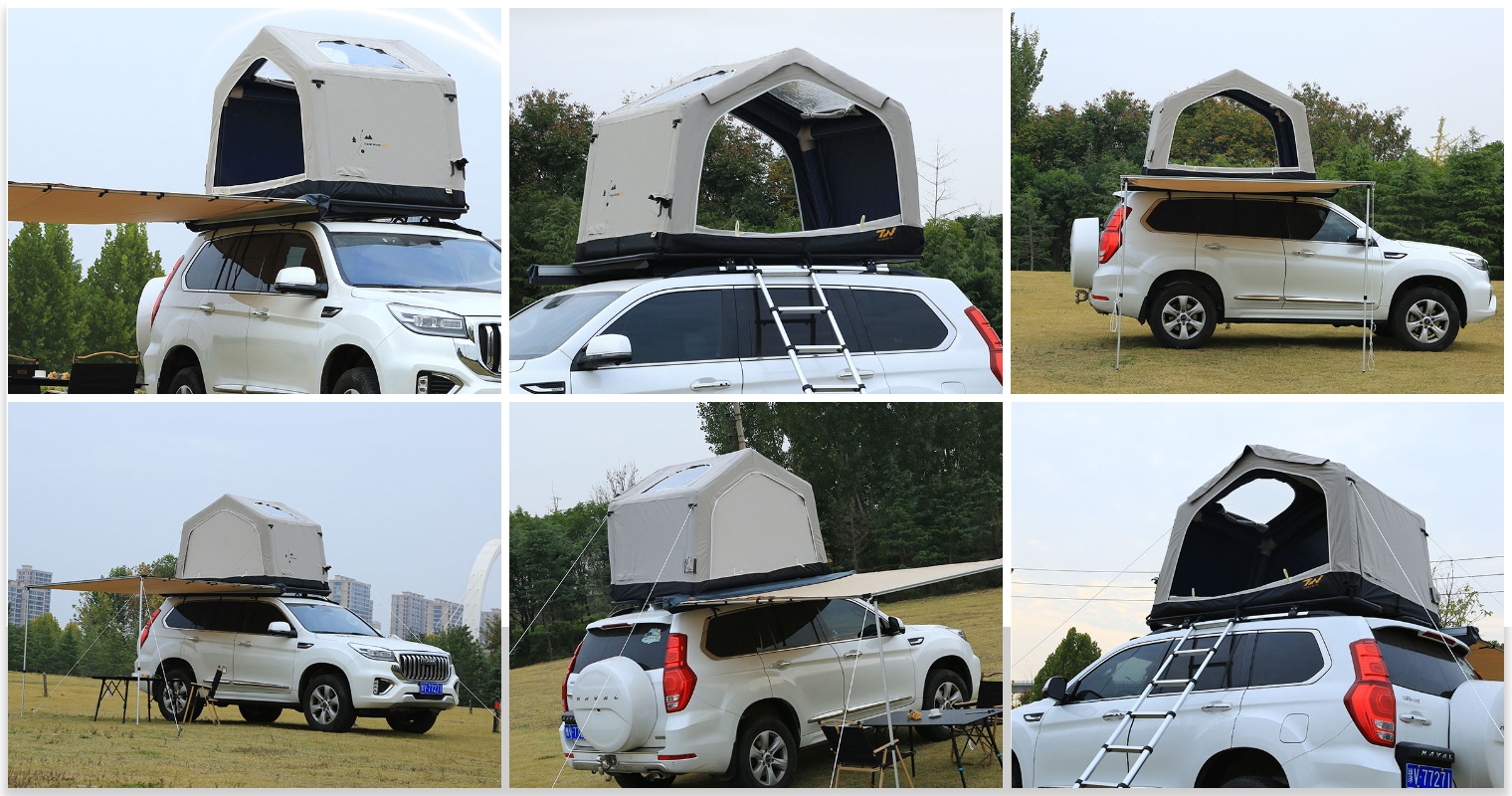
Compared to the tedious process of setting up a tent, Whole inflatable tent are relatively easy to build and dismantle. Whether it is large or small, 1-2 people can complete the construction and dismantling. With the high-pressure air pump that comes with Inflatable tent, a 10 square meter Inflatable tent can be set up in just 6-10 minutes, depending on the size of the tent. The product has a high-end, atmospheric, and creative appearance.
Before building an Sky canopy inflatable tent, it is necessary to carefully survey the terrain, and there should be no rolling stones, logs, or weathered rocks above the campsite. Do not set up tents near riverbanks or dry riverbeds during the rainy season. In addition, to prevent lightning strikes, please do not set up tents on mountaintops or in open fields; When installing on mud or sand, drainage ditches can be dug around the tent to ensure that the ground inside the tent is dry.
Inflatable tents, also known as Air tents, have revolutionized the camping industry by offering a convenient and efficient alternative to traditional pole tents. These innovative shelters use inflatable beams instead of rigid poles, making them easier to set up, more durable, and highly versatile. Whether you're a seasoned camper or a beginner, an inflatable tent can enhance your outdoor experience. This guide explores the benefits, key features, and practical tips for choosing and using an inflatable tent.
An inflatable tent is a type of shelter that relies on air-filled beams for structural support instead of traditional metal or fiberglass poles. The beams are made from high-strength, flexible materials such as TPU (thermoplastic polyurethane) or PVC, which can withstand significant pressure. To set up the tent, you simply pump air into the beams using a manual or electric pump, and the structure takes shape within minutes.
1. Quick and Easy Setup
One of the biggest advantages of inflatable tents is their rapid assembly. Unlike traditional tents that require threading poles through sleeves or attaching them with clips, inflatable tents can be pitched in just a few minutes. This is especially useful in adverse weather conditions or when arriving at a campsite late at night.
2. Lightweight and Portable
Inflatable tents are often lighter than traditional pole tents because they eliminate the need for heavy metal or fiberglass poles. This makes them ideal for car campers, festival-goers, and families who want a hassle-free camping experience.
3. Enhanced Durability
The absence of rigid poles reduces the risk of breakage, which is a common issue with traditional tents in windy conditions. Inflatable beams are flexible and can withstand strong winds without snapping. Additionally, high-quality inflatable tents are made from tear-resistant fabrics, ensuring long-term durability.
4. Spacious and Stable Design
Inflatable tents often feature larger living spaces because the air beams allow for more creative designs. Many models include high ceilings, multiple rooms, and reinforced structures that provide excellent stability in harsh weather.
5. Versatility
These tents are suitable for various outdoor activities, including camping, glamping, festivals, and even emergency shelters. Some models come with additional features like built-in awnings, storage pockets, and blackout materials for better insulation.
Features to Look for in an Inflatable Tent
1. Material Quality
A high-quality inflatable tent should be made from robust, waterproof materials such as polyester or nylon with a high hydrostatic head rating (at least 3000mm). The seams should be fully taped to prevent leaks.
2. Beam Design
Look for tents with multiple air beams for better stability. Single-beam designs may not withstand strong winds as effectively as those with cross-beam or geodesic structures.
3. Pump Compatibility
Most inflatable tents come with a manual pump, but an electric pump can save time and effort. Ensure the tent’s valves are compatible with standard pumps for easy inflation.
4. Repair Kit
A puncture repair kit is essential for emergencies. High-end inflatable tents often include one, but it’s wise to carry spare patches and adhesive.
5. Ventilation
Proper airflow prevents condensation inside the tent. Look for models with mesh panels, adjustable vents, and breathable fabrics.
Practice Inflation at Home – Before your trip, test the tent in your backyard to familiarize yourself with the setup process.
Avoid Overinflation – Follow the manufacturer’s pressure guidelines to prevent damage to the beams.
Secure the Tent Properly – Use strong pegs and guylines to anchor the tent, especially in windy conditions.
Store Correctly – Deflate the tent fully, clean it, and store it in a dry place to prevent mold and material degradation.
Inflatable tents offer a modern, user-friendly solution for campers seeking convenience, durability, and comfort. Their Quick Setup, lightweight design, and sturdy construction make them an excellent choice for various outdoor adventures. By considering factors like material quality, beam structure, and ventilation, you can find the perfect inflatable tent for your needs. Whether you're planning a weekend getaway or a long-term expedition, an inflatable tent can make your camping experience smoother and more enjoyable.
Would you like recommendations on specific inflatable tent models or additional camping tips? Let us know how we can help!

 English
 Español
 Pусский
 Français
 Deutsch
 日本語
日本語 한국어
한국어 العربية
 Italiano
 Nederlands
 Ελληνικά
 Svenska
 Polski
 ไทย
ไทย Türk dili
 हिन्दी
 Indonesia
 Melayu
 Tiếng Việt
 中文
中文 dansk
dansk Magyar
 қазақ
қазақ বাংলা
বাংলা עִברִית
 čeština
 Soomaali
 မြန်မာ
 فارسی
فارسی українська
 norsk
norsk Gaeilge
 беларускі
 Română
 ພາສາລາວ
 Filipino
 lietuvių
 Cymraeg
 македонски
 Suomalainen
 slovenský
 o'zbek
 اردو
اردو հայերեն
 Igbo
Igbo български
 سنڌي
سنڌي Shona
Shona සිංහල
සිංහල Hrvatski
 íslenskur
 galego
 català
 Zulu South Africa
 Afrikaans isiXhosa
 ಕನ್ನಡ
ಕನ್ನಡ lëtzebuergesch
 Indonésia Sunda
 Кыргызча
 тоҷикӣ
 Србија
 Twi
Twi Hawaii
 Cebu
Cebu नेपाल
नेपाल euskara
 frissi
 יידיש
יידיש latvija
 slovenija
 kiswahili
 ਪੰਜਾਬ
ਪੰਜਾਬ پښتو
پښتو საქართველოს
 hua moni
 bosna
bosna Kreyòl ayisyen
 Eesti
Eesti Gàidhlig na h-Alba
 Samoa
Samoa Монгол
 Azərbaycan
 አማራ
አማራ Shqipëria
 Malagasy
 Malta
Malta ខ្មែរ
ខ្មែរ Chicheva
 中文(繁体)
 ଓଡିଆ
ଓଡିଆ Setswana
 Afrikaans
 Aymara
 Башҡорт
 Türkmenler
 ትግሪኛ
ትግሪኛ Afaan Oromoo
 অসমীয়া
 Kinyarwanda
 Ilocano
 Wolof
Wolof अवधी
अवधी Oluganda
 Bikol
Bikol Fulɓe
Fulɓe Kikongo
 Sango
Sango ދިވެހި
 Lingala
 मैथिली
 Tsonga
 ꯃꯦꯏ ꯊꯥꯏ꯫
 brezhoneg
 Furlan
 नेवा
नेवा རྫོང་ཁ
 Santali
 Аҧсуа
Аҧсуа Нохчийн
 Чӑваш
Чӑваш Татар
Татар Batak Karo
 دری
دری Diura
Diura Fengyu
 Eʋegbe
 Iban
Iban Fiji
Fiji Tonga
Tonga Inuktitut
 Nahuatl
 maaya yucatec
 Runasimi
 guarani
 Qafar
Qafar Acholi
 Dinka
Dinka Luo
Luo Lundi
Lundi isiNdebele
 Tshivenḓa
 Sesotho sa Leboa
 Sesotho sa Borwa
 Ndumbe
 Papuan Pidgin
 Rromani ćhib
 Thok Nath



 Telefone